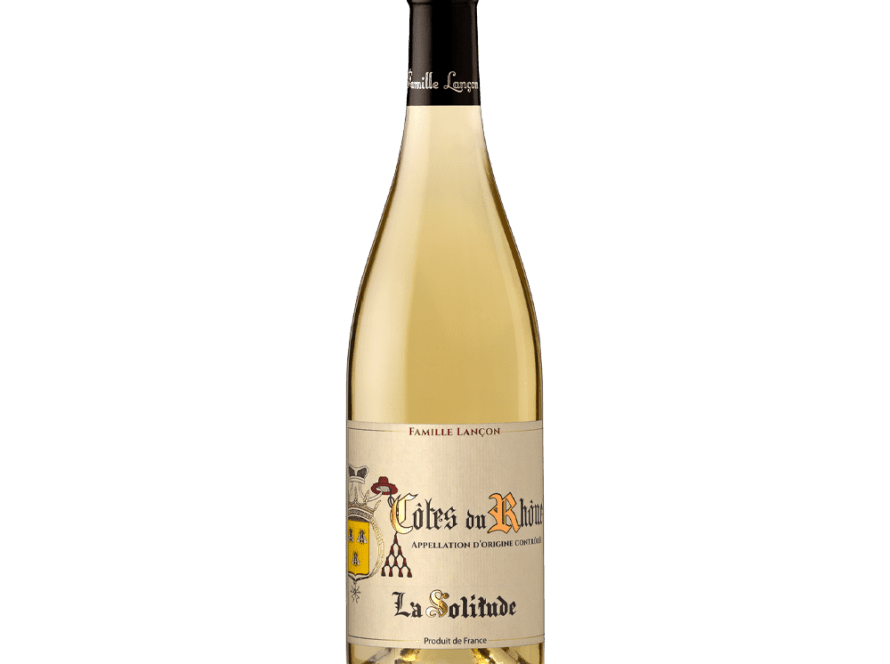
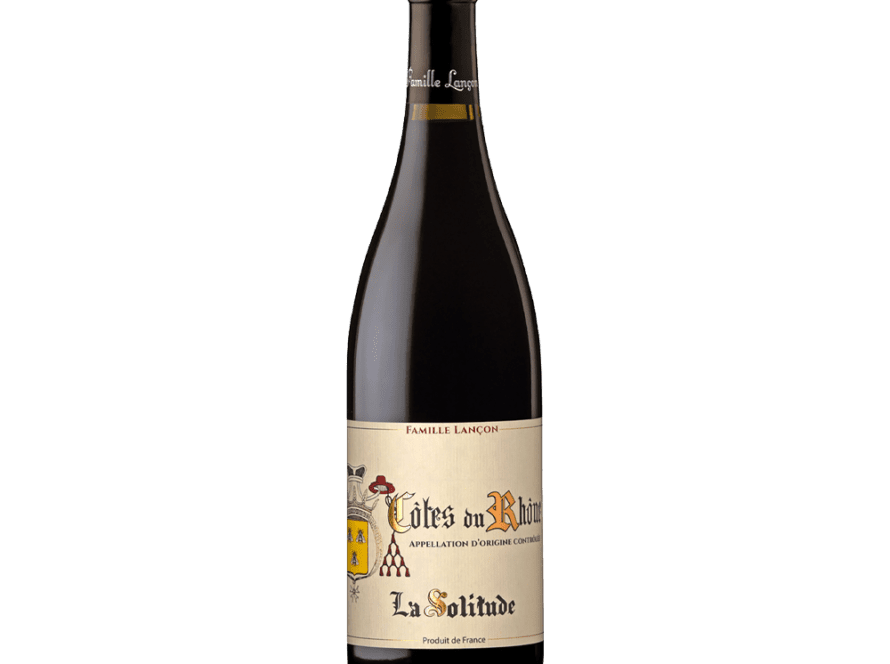
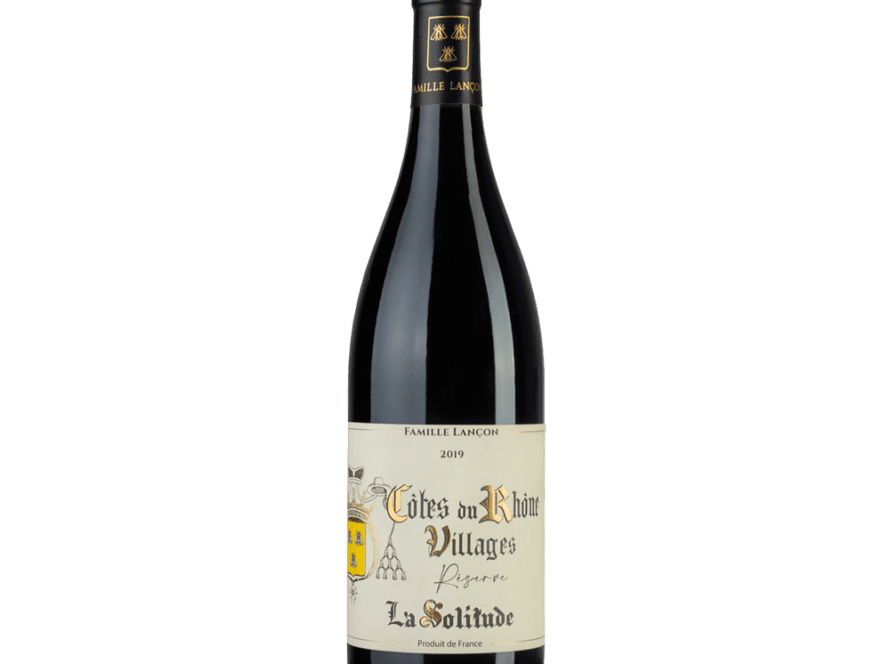
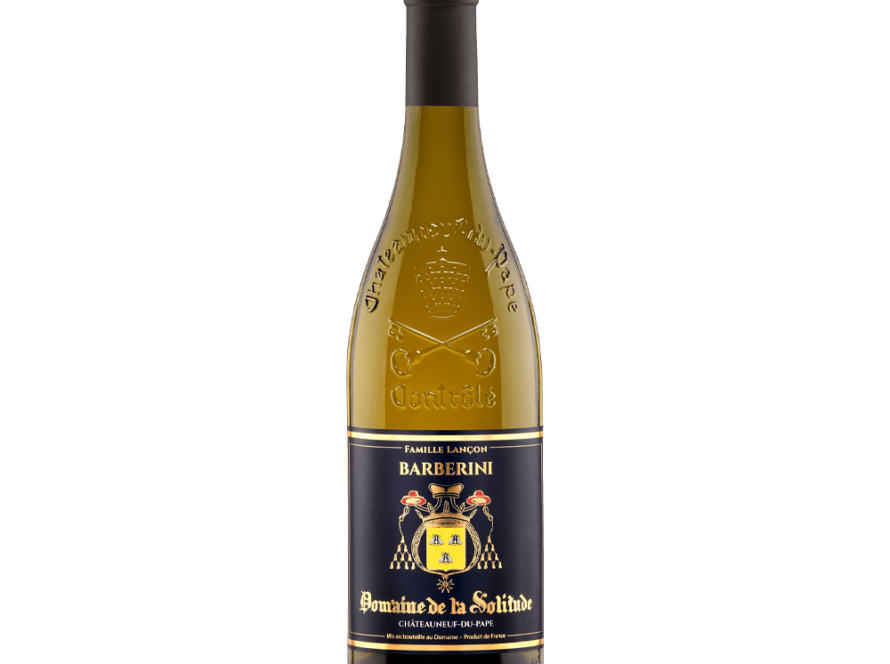
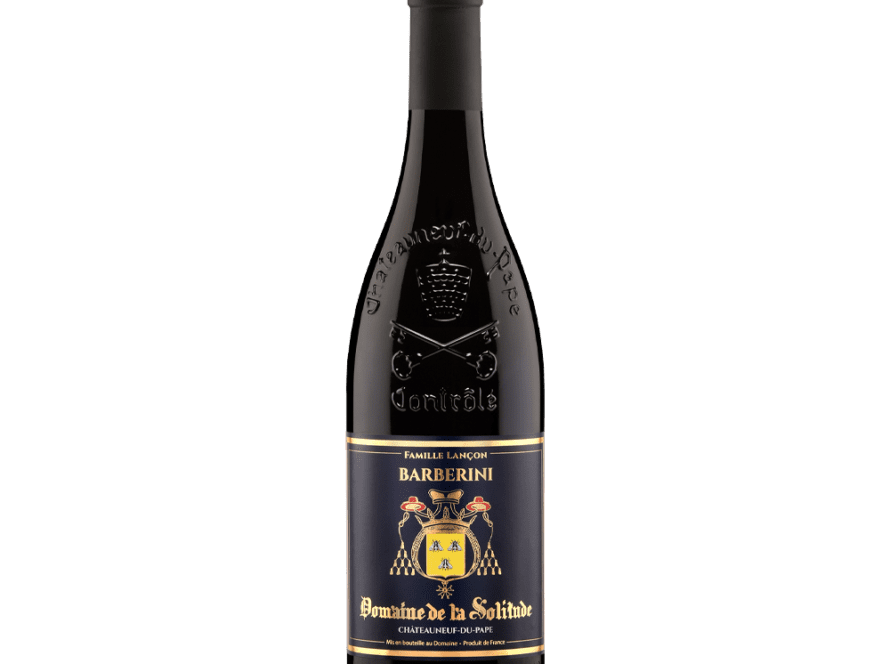
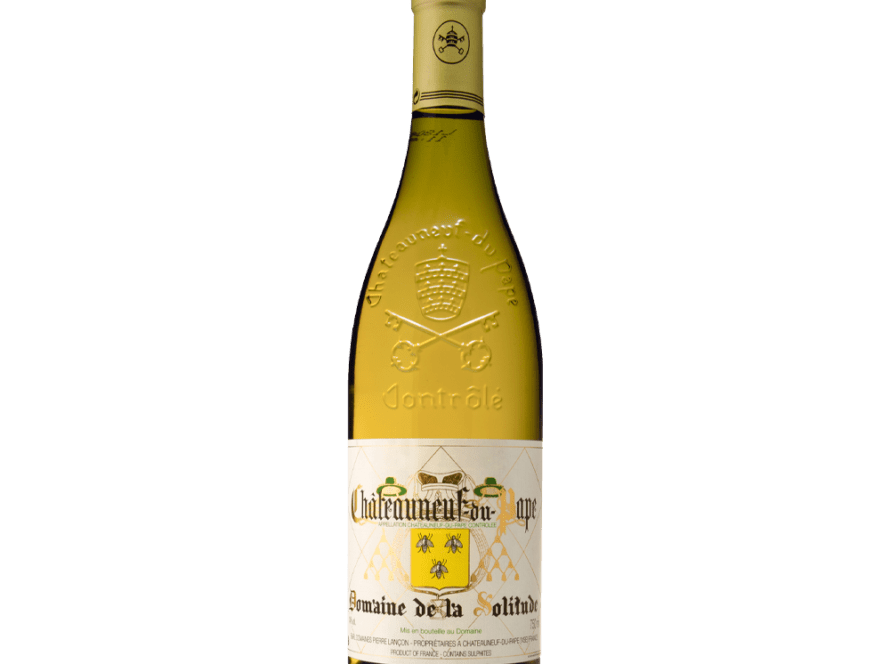
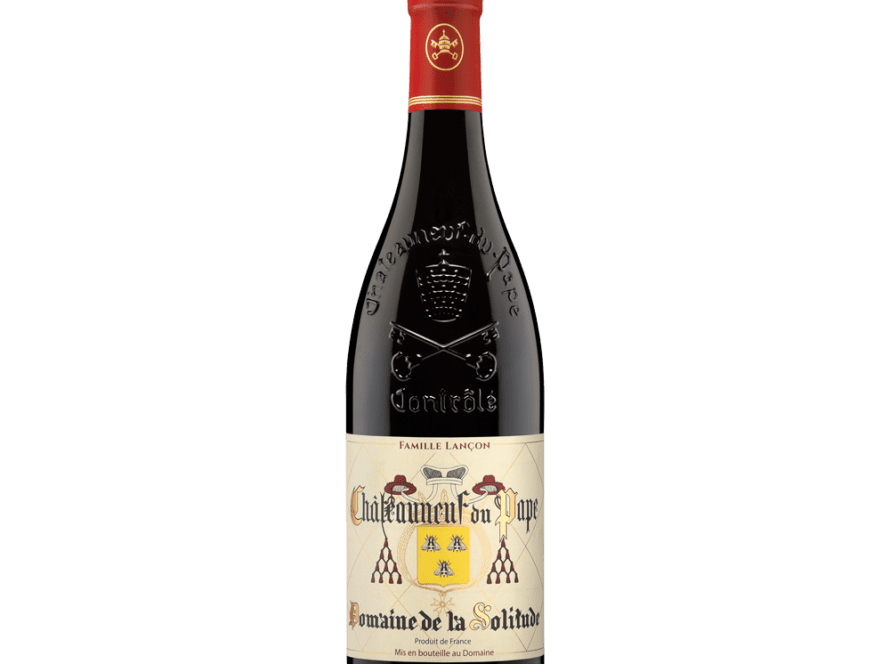
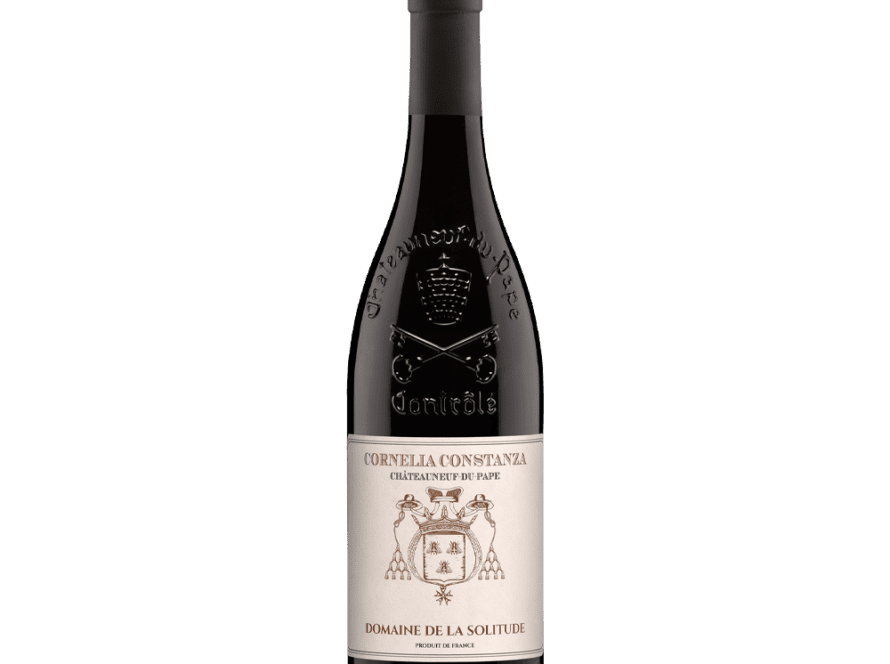
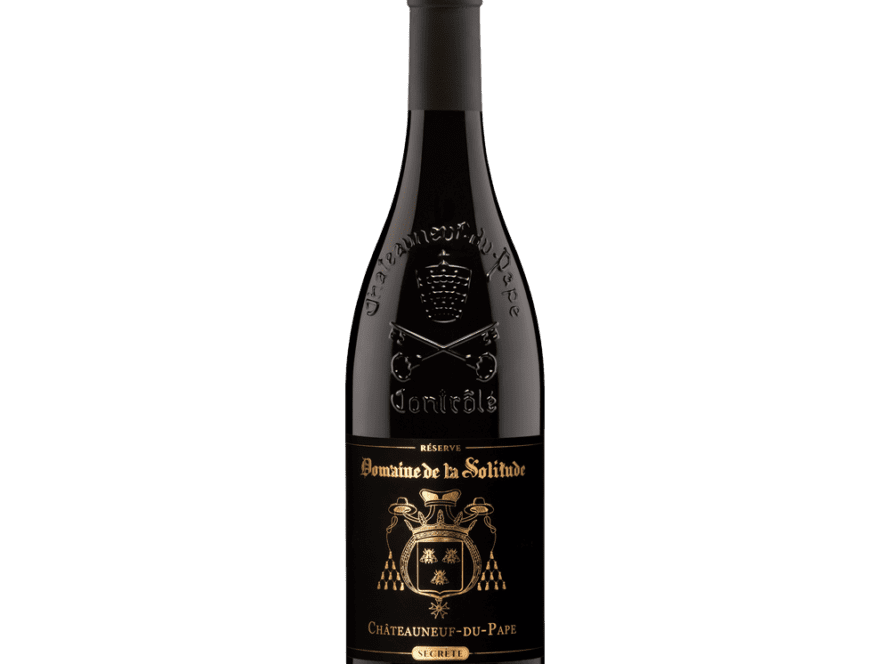
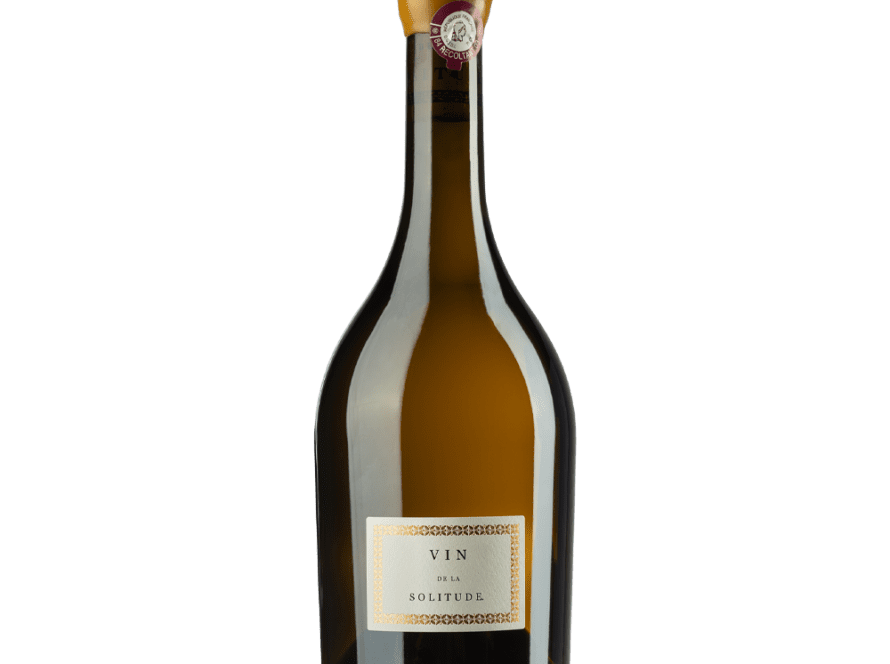
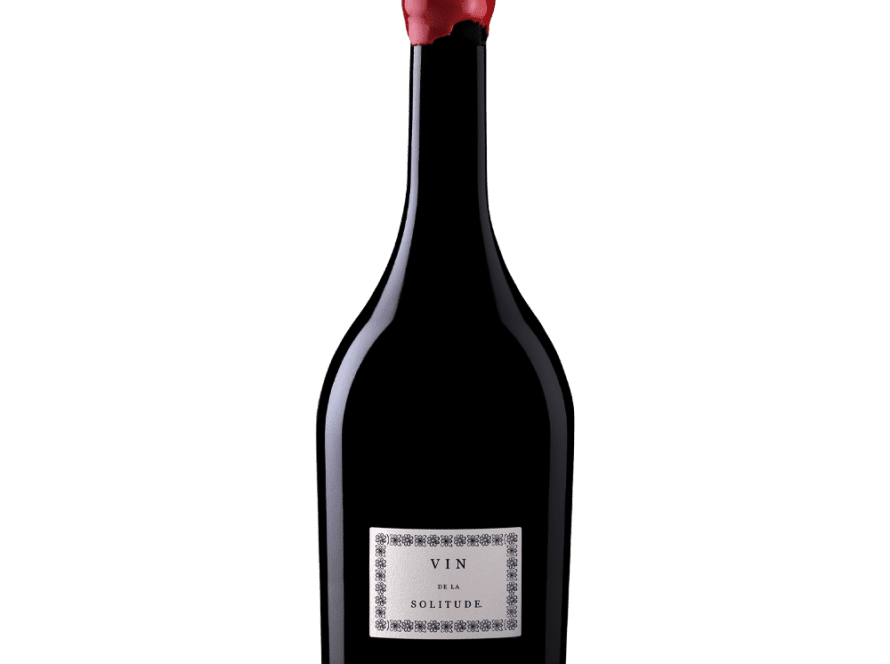
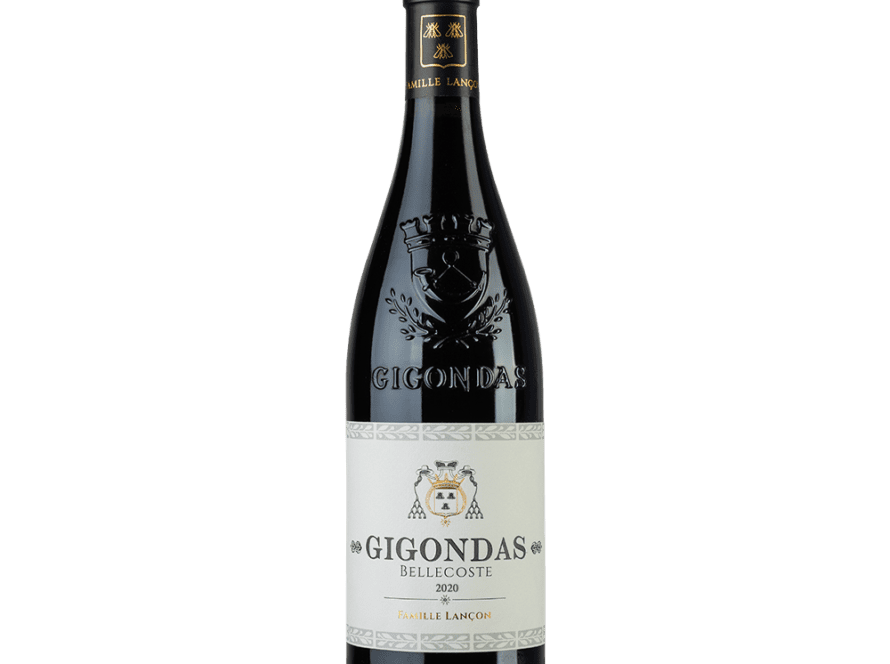
“The whites here are brilliant as well and deserve serious attention, with the Vin de la Solitude Blanc showing Grand Cru white Burgundy-style reduction and sensational complexity. As I wrote in the note, it’s the Coche-Dury of the Southern Rhône! I can’t recommend these wines enough and they certainly have a place in my personal cellar.”
About Domaine de la Solitude
The Lançon family, owners of Domaine de la Solitude, descend directly from the 12th Century Barberini family of Rome.
The best known of the family, Maffeo Barberini, was a papal nuncio, or diplomatic representative, in Paris from 1604 to 1606, and was made Pope in Rome under the name Pope Urban VIII.
Two of his nephews became cardinals and a part of the family then settled down in Avignon. In the 1980s, brothers Michel and Jean Lançon took the future of Domaine de la Solitude in their hands, focusing attention on the vineyards.
Over the past several years, Michel’s son Florent Lançon has taken over the day-to-day operations of Domaine de la Solitude, continuing to make improvements while preserving the traditions of his father and uncle.
“Located in the heart of the appellation, in the La Solitude lieu-dit, just on the western edge of the La Crau plateau, Domaine de la Solitude has been in the Lançon family for generations (the estate was created in the 17th century). Today, the winemaking reins are in the hands of the young, yet incredibly talented ç who has a green thumb when it comes to growing just about anything (ask to see his greenhouse if you visit!).” – Jeb Dunnuck, Wine Advocate
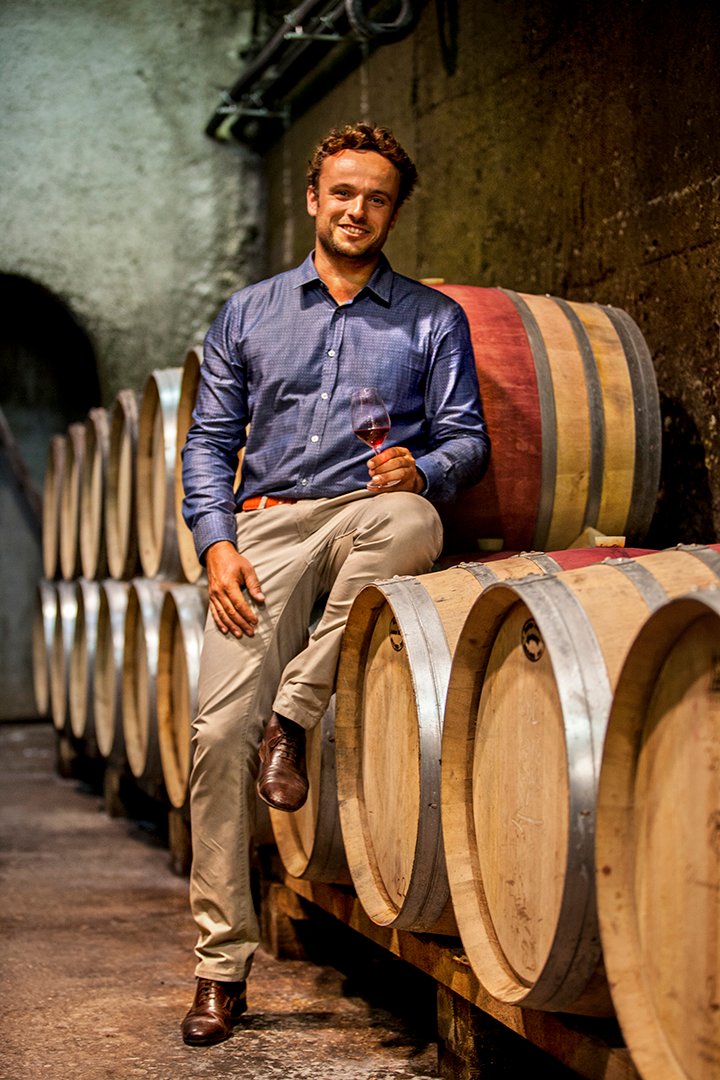
Châteauneuf-du-Pape, France – At the helm of Domaine de la Solitude since 2008, Florent Lançon represents a new generation of committed winemakers, combining family heritage, scientific rigor, and agroecological innovation.
Born in Avignon on March 18, 1980, Florent Lançon holds the Diplôme National d’Œnologue and a Master’s degree in Biology of Populations and Ecosystems. His international experience at Yering Station (Australia) and Morton Estate (New Zealand) broadened his perspective toward precise, quality-driven, and globally minded viticulture.
Since taking over the family estate, he has led a profound transformation toward a sustainable and resilient vineyard model.
Domaine de la Solitude has been, Certified Organic since 2020, Certified Biodynamic since 2023
Convinced that “great wine is made in the vineyard,” Florent Lançon has developed a holistic approach integrating biodiversity, agroforestry, and polyculture. Four hectares of the estate — approximately 10% of the total vineyard surface — are now cultivated under his innovative concept of an “edible vineyard.” In this system, vines coexist with heritage olive trees and a diverse range of plant species, including citrus varieties, persimmons, apricot-plums, juniper, and Sichuan pepper trees, creating a highly diverse, productive, and resilient vineyard management system.
This layered vegetation structure generates natural microclimates, enhances soil vitality, and supports beneficial wildlife essential to vineyard balance.
In parallel, the estate continues agronomic experimentation, parcel-based micro-vinifications, and is developing a distillery project to produce gin sourced from the crops of the edible vineyard.
Through this vision, Florent Lançon affirms his ambition: to craft wines of excellence that faithfully express the identity of Châteauneuf-du-Pape while proactively addressing contemporary climate and environmental challenges.
My other passion: Orchids…
My other passion: Orchids… with Florent Lançon of Domaine de la Solitude
In the first of a new occasional feature, we talk to winemakers about what it is, beyond wine, that really fascinates them.
Florent Lançon of Domaine de la Solitude is renowned for his excellent Châteauneuf-du-Pape. In his spare time, he collects orchids.
‘It started when I was young – 12 or 13 years old,’ says Lançon. ‘I went to England on holiday. We were visiting a lot of castles and I was so bored! But I did enjoy the Victorian greenhouses.’ It was there that he discovered orchids.
When he returned home, he started buying plants. ‘Soon they were everywhere in the house, but they need humidity and the right light, so I started pestering my parents to construct my own greenhouse.’ After several years, his fascination showed no sign of abating, so his mother and father gave in, and let him build one.
It quickly grew to 18m2, and as he discovered the incredible diversity of the plants, his collection multiplied. Orchids are one of the biggest groups of flowering plants worldwide, with about 28,000 accepted species. He started by focusing on the genera Cattleya and Phalaenopsis (moth orchids), and now collects Paphiopedilum species (slipper orchids).
A symphony of 13 grape varietals: A wine of Chateauneuf du Pape has the full power of a symphony. Each sip seems to release the most beautiful sounds. Grenache, Syrah, Mourvedre are the three grape varieties that are dominant and from which the wine gets its strength and softness, color and solidity.
Then, strange notes, new combinations will appear with the other varieties. Just as minor tones exhale slight nuances, they complete the harmony with light and subtle touches. The pace accelerates, arousing intense bouquets, the pleasure reaches fullness. As these symphonies leave the ear with the impression of their supreme wealth, the symphony of the 13 varieties of grapes inspires a unique passion for exceptional wine: the Chateauneuf du Pape.
The areas of our vineyards – “Appellation d’Origine Controlée” Châteauneuf du Pape
White area – 8 hectares: Roussanne 30%, White Grenache 50%, Clairette 15%, Bourboulenc 5%
Red area – 30 hectares: Red Grenache 60%, Syrah 15%, Cinsault 5%, Mourvèdre 10%. The balance 10% is spread over the other grape varieties of the appellation.